
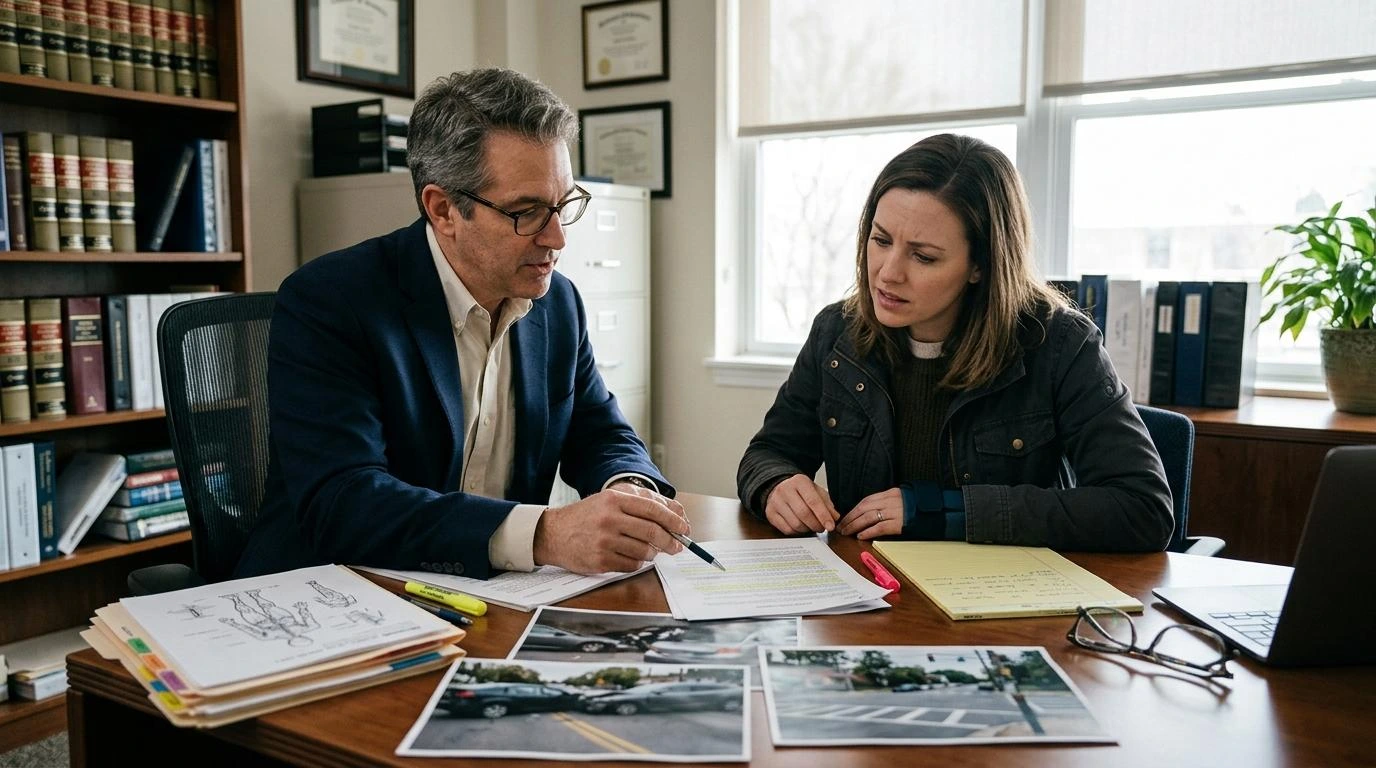
An accident can leave you with medical bills, time away from work, and changes to your daily life. If another person or business may be legally responsible for your injuries, you could have grounds to seek compensation under Ontario law.
If you are thinking about making a claim, it helps to know what happens after you contact a lawyer. The following guide explains the steps involved in a personal injury case in Brampton, from your first meeting to settlement talks or a court case.
When Can You Make a Personal Injury Claim in Brampton?
Getting injured does not always mean you can claim money from someone else. It depends on how the accident happened, whether another party was legally responsible, and what harm you suffered.
For example, you may have a claim after:
- A car accident caused by another driver’s actions.
- A fall on ice, a wet floor, or damaged stairs.
- Being hit by a car while walking or riding a bicycle.
- A crash involving a truck or motorcycle.
- A dog bite that causes an injury.
- An injury caused by a faulty product or an unsafe building.
Think about a person who slips on an icy walkway outside a Brampton store and breaks an arm. To understand whether the store or another party may be responsible, it is important to find out who looked after the walkway and what was done about the ice.
Photos, medical records, and details from people who saw the fall may help explain what happened. The facts of each case matter, so not every accident will lead to compensation.
What to Discuss at Your First Meeting With a Personal Injury Lawyer
When you meet a lawyer, explain what happened in your own words. Tell them about your injuries, any treatment you have received, and the ways the accident has affected your work or home life.
The lawyer may ask you about:
- The accident: Where it happened, when it happened, and what you remember.
- Your health: Your injuries, medical visits, treatment, and any problems that have not gone away.
- Available records: Photos, reports, medical papers, and witness details.
- Money lost: Missed work, reduced income, medical costs, and other expenses.
- Insurance matters: Letters, phone calls, forms, or offers from an insurance company.
Bring any papers you have with you. If you are still waiting for medical records or other documents, you can discuss your case without them.
Ask the lawyer whether you may have a claim, what the next steps could be, and which deadlines you need to know about. You should also ask how the fees work and whether you may have to pay other case expenses.
How Does a Personal Injury Claim Work Step by Step?
There is no single process that fits every case. The next steps depend on the type of accident, the injuries, and whether the people involved agree on what happened.
Looking Into the Accident
To work out who may be responsible, the people handling the claim need to understand how the accident took place.
They may look at photos, videos, witness details, police reports, vehicle damage, or records about the condition of a property. Security camera footage may also help if it is available.
The evidence needed will depend on the accident. For a car crash, it may be important to look at road conditions and how the drivers acted. After a fall in a store, records about cleaning, inspections, and the condition of the floor may help explain why the person fell.
Keep any evidence you have as soon as you can. Some video footage is erased after a short time, and witnesses may forget details as the weeks pass.
Keeping Track of Your Injuries and Treatment
Your medical records can show what injuries you suffered and what treatment you needed after the accident.
Keep a record of your doctor visits, medicines, physiotherapy, and other care. Tell your healthcare provider about any pain or difficulty with normal activities, such as walking, sleeping, driving, or working.
Recovery times vary. You may feel better after a few weeks, or you may need treatment for months. Some injuries also affect a person’s ability to return to work or handle everyday tasks.
Get medical care when you need it. You do not have to wait until you have hired a lawyer.
Finding Out Who Is at Fault and Handling Insurance
The next part is to find out who may be legally responsible and which insurance policies may apply. Depending on the accident, this could involve a driver, property owner, business, employer, or another party.
An insurance company may ask for records, review the accident, and request information about your injuries. A lawyer can explain what the insurer needs and help you understand how to respond.
In Ontario, a person injured in a car accident may qualify for accident benefits under an applicable auto insurance policy, even if they did not cause the crash. The rules and limits still apply. A separate lawsuit against a party who may be responsible follows a different process.
It is important to understand which type of claim you are making because the deadlines and available payments can differ.
Working Out Your Losses and Asking for Compensation
An injury can bring costs that continue long after the accident. You may lose wages, pay for treatment, or need help with daily tasks. These losses may be considered when working out what compensation you can seek.
Depending on the case, a claim may include medical costs, lost income, future care expenses, and payment for pain and suffering where allowed by law.
Records can help show these losses. Your lawyer may ask for medical documents, pay stubs, receipts, or statements from family and friends.
The amount sought may change as more information becomes available. For example, you may need extra treatment or find that you cannot return to your old job. It is important to understand the likely effects of your injuries before agreeing to a final settlement.
How Long Can a Personal Injury Case Take in Brampton?
Some claims settle within a year, while others take years. The time needed depends on the injuries, the evidence, and whether both sides can agree.
A case may take longer if the injuries are serious, fault is disputed, medical records are delayed, or the parties cannot agree on compensation. Court proceedings can also add time.
It may be difficult to judge the full cost of an injury before doctors have a clearer picture of your recovery. Still, you should seek legal advice early so you know which deadlines apply and can take steps to keep important evidence.
What Evidence Can Help With Your Personal Injury Claim?
Try to keep records from the time of the accident onward. They may help explain how you were injured and how the injury has affected your life.
Useful records include:
- Photos and videos: The scene, your injuries, vehicle damage, or the hazard that caused the fall.
- Medical documents: Doctor visits, test results, treatment notes, and rehabilitation records.
- Witness details: Names and contact information for people who saw what happened.
- Accident reports: Police reports or reports made to a business or property owner.
- Work and expense records: Pay stubs, missed-work records, bills, and receipts.
- Insurance messages: Letters, emails, forms, and settlement offers.
- Personal notes: Dates when you had pain, missed work, or struggled with everyday activities.
Keep these items in one place and sort them by date. Do not change records or throw away documents that may relate to your case. If you are unsure what to keep, ask your lawyer.
What Are the Deadlines for Personal Injury Claims in Ontario?
Ontario law sets time limits for many personal injury claims. If you miss the deadline, you may lose the right to take legal action.
For many claims, the general limit is two years from the date you knew, or should reasonably have known, that you had a claim. The exact date depends on the circumstances. You can read the Limitations Act, 2002 for more information.
Other rules may apply in certain cases:
- Some claims involving municipal roads or sidewalks have a short notice period.
- Certain snow and ice claims require written notice within 60 days, subject to exceptions.
- Car accident lawsuits and accident benefit claims have different deadlines.
- Special rules may apply to children and people who cannot manage their legal affairs.
Do not assume that talking to an insurance company extends your deadline. Get legal advice promptly to find out which rules apply to your situation.
Mistakes to Avoid During a Personal Injury Case
A few simple steps can help you keep your records in order and avoid problems with your claim.
- Missing medical appointments: If you have trouble attending or following your treatment plan, discuss it with your healthcare provider.
- Giving incorrect details: Be honest about the accident, your symptoms, and what you can or cannot do.
- Accepting an offer too soon: Make sure you understand what the settlement covers and whether future needs have been considered.
- Waiting to ask about deadlines: Some claims have short notice periods, so do not put off getting advice.
- Losing important records: Save photos, receipts, reports, and insurance messages.
- Answering questions you do not understand: Read requests carefully and get advice if you are unsure how to respond.
- Posting details online without thinking: Photos or comments about your injuries may become relevant to the claim.
Keep copies of important messages and documents. If you are unsure how to deal with an insurance request, ask for advice before replying.
Frequently Asked Questions
Do I Need a Lawyer for an Injury Claim in Brampton?
You can handle some claims yourself. However, a lawyer may be helpful if your injuries are serious, you have lost income, the other party disputes fault, or the insurance company will not agree with your claim.
How Much Can I Receive From a Personal Injury Claim in Brampton?
There is no set amount for every case. The amount depends on your injuries, recovery, lost income, expenses, evidence, and the law that applies. A lawyer would need to review your situation before estimating the value of your claim.
Do Personal Injury Lawyers Charge Fees Before the Case Starts?
Some lawyers take cases on a contingency-fee basis, meaning their fee depends on the outcome under the agreement. Other costs may still apply. Ask for a written explanation of fees, taxes, and case expenses before signing.
Will My Personal Injury Claim Go to Court?
Not always. Many claims settle through discussions with the insurance company. If both sides cannot agree on responsibility or the amount to be paid, the case may need to go to court.
What Should I Bring to My First Meeting With a Lawyer?
Bring any records you already have, such as medical papers, photos, police reports, insurance policy and letters, witness details, pay stubs, or receipts. You can still book a meeting if some documents are missing.
Speak With a Personal Injury Lawyer in Brampton
An injury can affect your health, income, and daily routine. If you are unsure whether you have a claim, speaking with a lawyer can help you understand your options and the deadlines that may apply.
Contact Virk Personal Injury Law to discuss your situation and learn what steps may be available to you.